
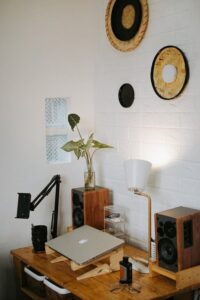
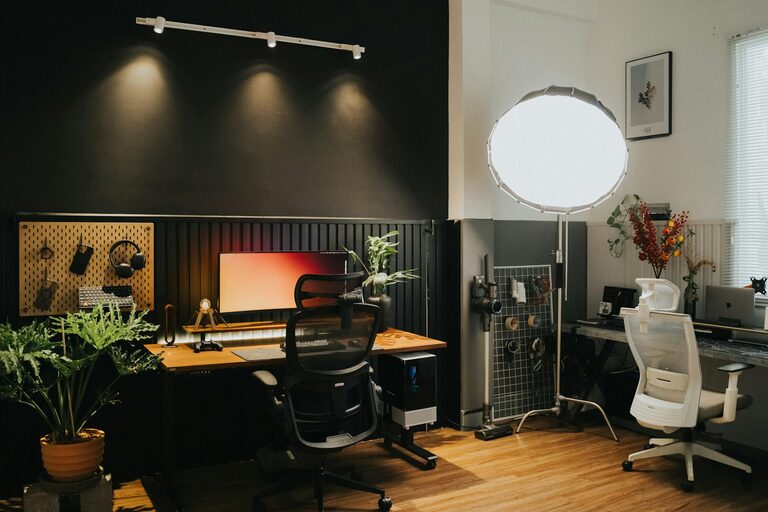
Creating a comfortable home office space is essential for anyone working remotely or studying from home. A well-designed workspace not only improves productivity but also promotes better posture, reduces stress, and enhances overall job satisfaction. Whether you have a dedicated room or just a corner to work from, these tips will help you create an inviting and efficient home office.
Choose the Right Location
The first step in setting up a home office is selecting the best spot. Ideally, you want a quiet area that is free from distractions. Consider these factors:
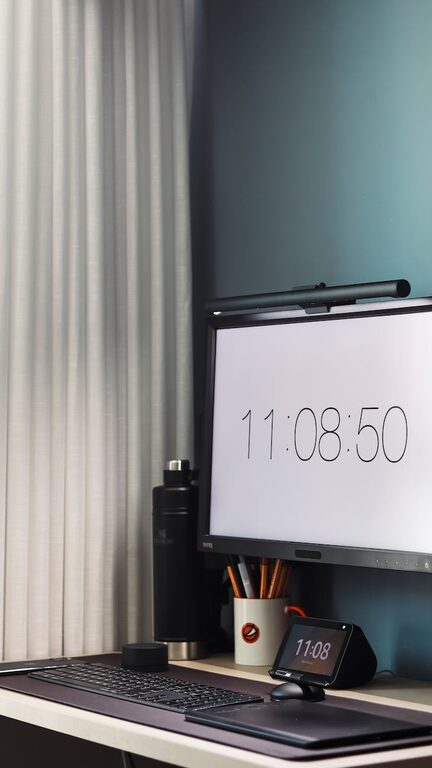
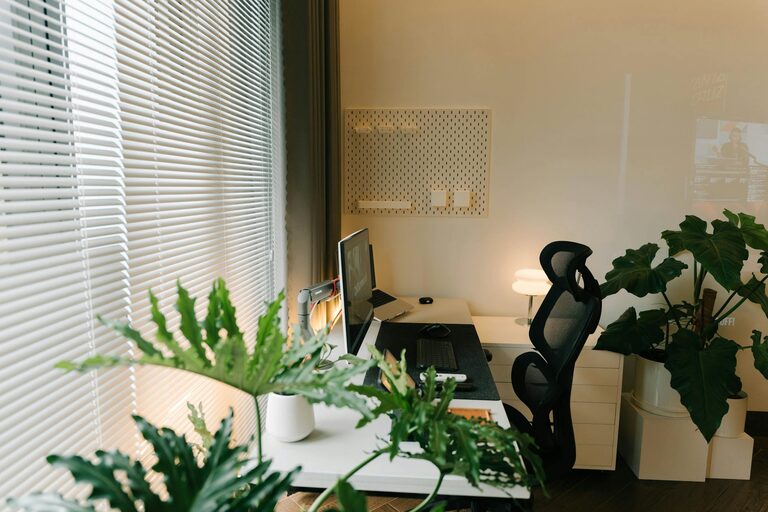
– Natural Light: Position your desk near a window to benefit from daylight. Natural light improves mood and reduces eye strain.
– Away from Noise: Try to avoid busy areas of the house like the kitchen or living room, especially if multiple people are at home.
– Space Availability: Even a small nook can be transformed into a functional office with smart organisation.
Invest in Ergonomic Furniture
Comfort is key when you spend long hours at your desk. Ergonomic furniture supports your body and helps prevent discomfort or injury.
– Chair: Choose an adjustable chair with lumbar support. It should allow your feet to rest flat on the floor and keep your knees at a right angle.
– Desk: The desk height should allow your elbows to bend at roughly 90 degrees when typing. Consider a sit-stand desk if you want to alternate between sitting and standing throughout the day.
– Accessories: Use a footrest if needed, and consider an ergonomic keyboard and mouse to reduce strain on your hands and wrists.
Organise Your Space
A clutter-free environment helps maintain focus and reduces stress. Keep your home office tidy with these tips:
– Smart Storage: Use shelves, drawers, or filing cabinets to keep documents and supplies organised.
– Cable Management: Use clips, ties, or cable organisers to keep wires out of sight.
– Minimalist Approach: Only keep essential items on your desk to avoid distractions.
Ensure Proper Lighting
Good lighting is critical for a comfortable work environment.
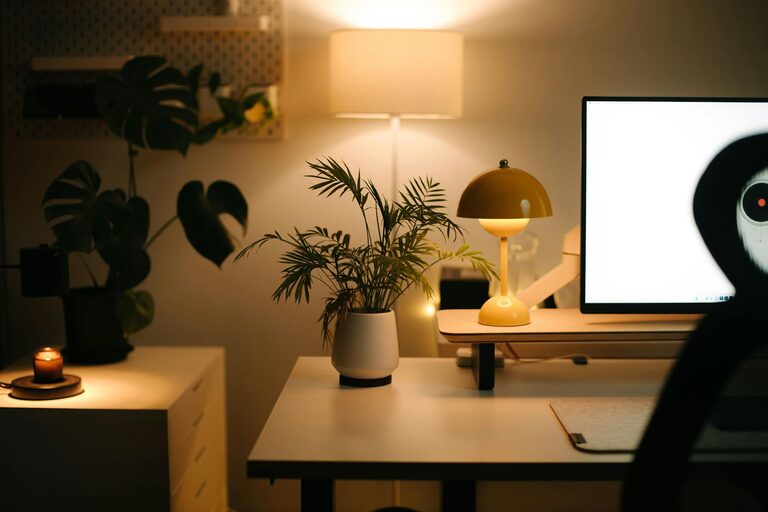
– Layered Lighting: Combine natural light with overhead and task lighting to reduce shadows and eye strain.
– Position Lamps Correctly: Place a desk lamp so that it illuminates your workspace without causing glare on your screen.
– Use Soft White Bulbs: These create a warm atmosphere and reduce fatigue compared to harsh fluorescent lighting.
Personalise Your Workspace
Adding personal touches to your home office can make the space more inviting and motivating.
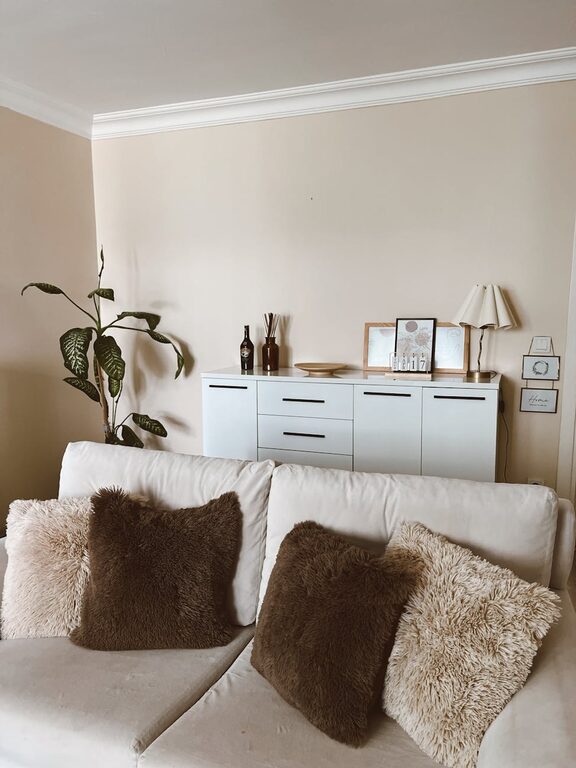
– Decorate with Plants: Indoor plants improve air quality and bring a sense of calm.
– Incorporate Art and Photos: Choose artwork or photos that inspire you without cluttering the space.
– Use Colours Wisely: Soft, neutral shades tend to create a relaxing atmosphere, but a splash of brighter colours can boost creativity.
Manage Noise Levels
If you don’t have a separate room, noise can be a big distraction.
– Noise-Cancelling Headphones: These are useful for focusing or attending virtual meetings.
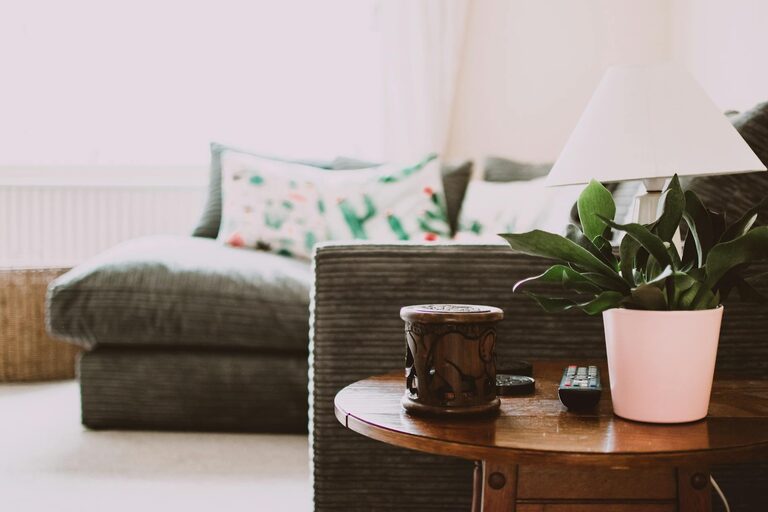
– Soft Furnishings: Rugs, curtains, and cushions help absorb sound and reduce echo.
– White Noise: Consider playing white noise or calming background music to block out distractions.
Maintain Good Air Quality and Temperature
A comfortable temperature and fresh air enhance concentration and wellbeing.
– Ventilation: Open a window regularly or use an air purifier to keep the air fresh.
– Heating and Cooling: Use a fan or heater to maintain a comfortable temperature year-round.
– Avoid Overheating: Electronics can generate heat, so make sure there is good airflow around your devices.
Establish a Routine and Take Breaks
Finally, creating a comfortable home office is not just about the physical space but also how you use it.
– Set Working Hours: Define when your workday starts and ends to maintain balance.
– Take Regular Breaks: Stand up, stretch, or take a walk every hour to refresh your body and mind.
– Keep Hydrated and Snack Wisely: Make sure you have water nearby and healthy snacks to keep energy levels steady.
—
By carefully planning your home office, you can create a space that supports your productivity and wellbeing. Small changes in furniture, lighting, and organisation can make a big difference to how comfortable and effective your workspace feels. Take your time to personalise the area and establish good habits for a better work-from-home experience.